

Industry support
Aquaculture & Abalone Farming
Engineering support for water-dependent operations where pumps, machinery, power and controls affect the same production outcome.
Engineering support for the whole operating requirement
CES leadership brings an electrical-engineering background and more than 17 years of experience within the abalone industry. Work in water-dependent production environments showed how often pumping, machinery, electrical supply, controls and energy systems cross traditional contractor boundaries. That experience helped shape the multidisciplinary CES model.
Operating priorities
Where technical attention often starts
Diagnosing pump, electrical and control faults
Planning maintenance around continuous operations
When to involve CES
Common reasons to start a conversation
- Service pumps and operating machinery
- Coordinate mechanical, electrical and control work
- Plan process, automation or energy improvements
Relevant services
Technical support matched to the requirement
Engineering ServicesIntegrated mechanical, electrical, pumping and project expertise from concept through commissioning.Machinery Maintenance & RepairsDiagnosis, repair and preventative support for pumps, diesel machinery, generators and fleet equipment.Electronics & AutomationControl-system assessment, programming and automation for existing processes and new engineering work.Solar Power SolutionsEnergy assessment, solar PV planning, SSEG support, electrical integration, installation and commissioning.
Maintenance opportunity
Support beyond the immediate project
Planned attention to pumps, generators, electrical systems and controls can help identify deterioration before it becomes an operational interruption. CES can discuss maintenance priorities as well as active faults.
Relevant work
Project experience
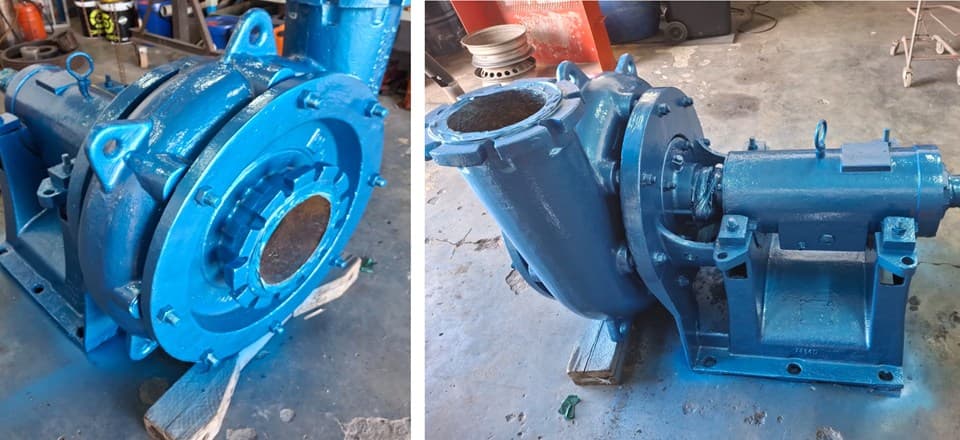
Aquaculture & abalone farming
Aqunion abalone-farm pump servicing
Inspection and service work for pump equipment in a water-dependent aquaculture operation.
View case study →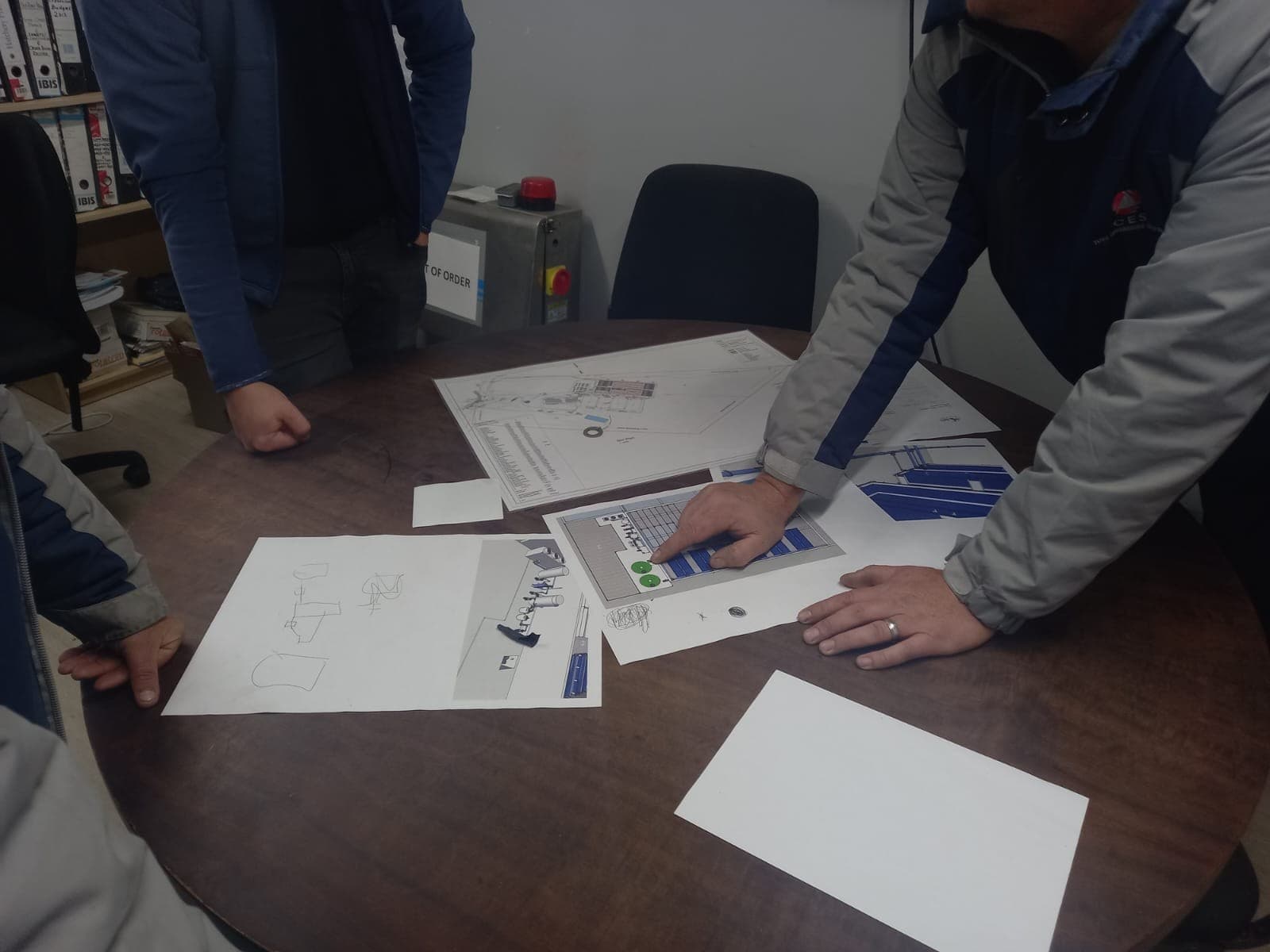
Aquaculture & abalone farming
Abalone-farm purging system
A practical process-system project bringing engineering and site implementation together for an aquaculture application.
View case study →Questions
Frequently asked questions
What experience does CES have in aquaculture?
Adriaan Hanekom’s available professional background includes more than 17 years of work within the abalone industry. That operational exposure included water-dependent systems where pumps, mechanical equipment, electrical infrastructure, controls and energy requirements influence the same production environment.
What aquaculture systems can CES support?
CES can assess requirements involving pumping and water movement, mechanical equipment, electrical systems, controls, automation, energy resilience, maintenance and multidisciplinary process improvements. The scope depends on the site, equipment and operating objective.
Can CES service pumps used in water-dependent operations?
Yes. CES has current project experience in inspection and service work for aquaculture pump equipment. Work can include condition assessment, disassembly, cleaning, component review, servicing, reassembly and operational checks where applicable.
Can CES combine mechanical, electrical and control work on one aquaculture project?
Yes. This is central to the CES approach. Where pumps, mechanical equipment, electrical supply and controls contribute to one process requirement, CES can assess their interaction and coordinate the applicable engineering scope.
Can CES help plan maintenance as well as respond to faults?
Yes. CES can discuss planned inspections, preventative servicing and maintenance priorities alongside responsive fault support. The programme should reflect equipment condition, operating duty and the consequences of an interruption.
Aquaculture & Abalone Farming
Discuss an aquaculture system
Share the location, current system and operational concern. CES will use that context to establish a practical next step.