

What this capability covers
CES defines and coordinates the agreed engineering scope around the operating requirement. Clients can involve one accountable team where mechanical equipment, electrical systems, pumps, controls and implementation responsibilities overlap.
- Mechanical and electrical engineering
- Pumps and associated systems
- Equipment and process requirements
- Technical planning and design development
- System integration and troubleshooting
- Implementation coordination
- Commissioning
- Multidisciplinary project coordination
When several disciplines affect one result
A pump problem may also involve electrical supply, control behaviour, pipework or operating conditions. CES considers these interactions together, then defines which disciplines belong in the agreed scope. This reduces the need for the client to diagnose and coordinate unrelated technical contractors.
When to involve CES
CES can become involved before work starts, while a concept is being defined, when several disciplines overlap, or when an existing installation is underperforming. The role can extend from assessment and planning through implementation coordination, testing and commissioning within the CES scope.
What clients should gain
- One accountable engineering team
- A scope organised around the complete system
- Continuity from assessment through commissioning
Related project experience
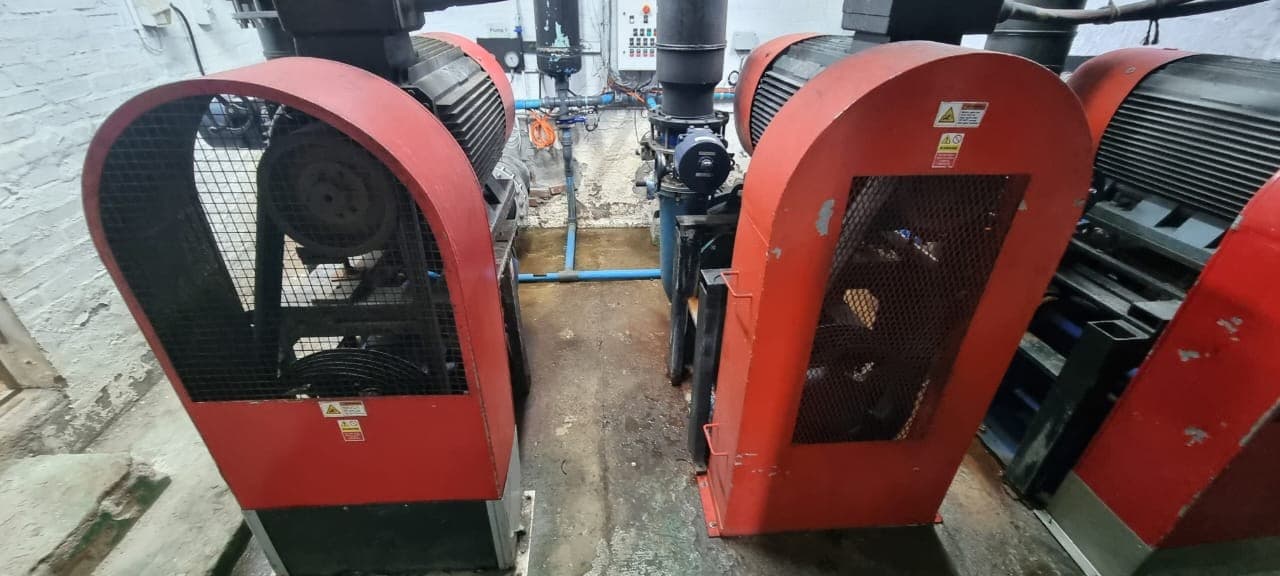
Hermanus
Hermanus pump-station automation
Control improvements that supported more reliable pump-station operation with less manual attendance.
View case study →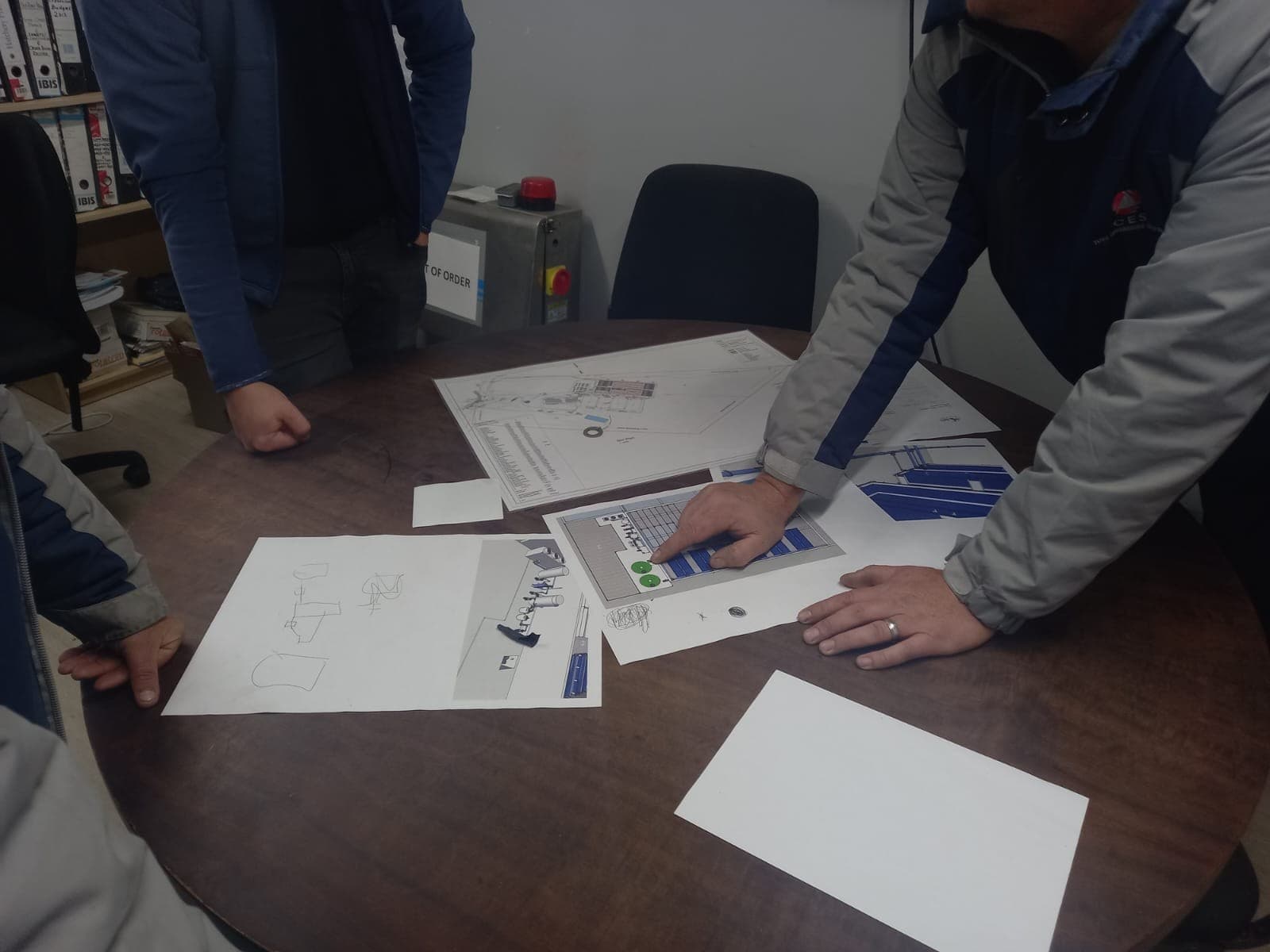
Aquaculture & abalone farming
Abalone-farm purging system
A practical process-system project bringing engineering and site implementation together for an aquaculture application.
View case study →Frequently asked questions
What does turnkey engineering mean at CES?
Turnkey engineering at CES means coordinated delivery of the engineering scope agreed for the project. CES identifies the relevant mechanical, electrical, pumping, automation and project elements, then manages their interaction through implementation and commissioning. It does not imply that CES performs every possible construction or professional discipline.
When should CES be involved in a project?
CES can add value before a project starts, when the technical concept is still being defined, or when an existing system is not performing as intended. Early involvement helps establish the operating requirement, constraints and interfaces before separate work packages create avoidable gaps.
Can CES combine mechanical and electrical work?
Yes. Where mechanical equipment, pumps, electrical supply and controls influence the same outcome, CES can assess and coordinate the applicable work as one engineering scope. The exact disciplines and specialist inputs depend on the site and project requirements.
Does CES provide project coordination through commissioning?
CES can coordinate the agreed engineering work through planning, implementation, testing and commissioning. The role and handover requirements are defined for each project so the client understands what CES will manage and where other professional or statutory inputs remain necessary.