

What this capability covers
CES starts by understanding the equipment condition, symptoms and operating context. The work may involve inspection, fault-finding, disassembly, cleaning, component assessment, repair, replacement, servicing, reassembly and operational checks, depending on what the equipment requires.
- Equipment inspection
- Diagnosis and fault-finding
- Pump service and repair
- Diesel machinery and generators
- Component assessment and replacement
- Servicing and operational checks
- Preventative maintenance
- Planned maintenance support
Repair the cause, not only the symptom
Replacing equipment is not automatically the first recommendation. CES assesses whether a fault can be isolated, whether components remain serviceable and whether operating conditions are contributing to the problem. This gives the client a clearer basis for deciding between repair, improvement and replacement.
What clients should gain
- Better-informed repair decisions
- Improved equipment dependability
- A route from reactive work to planned support
Related project experience
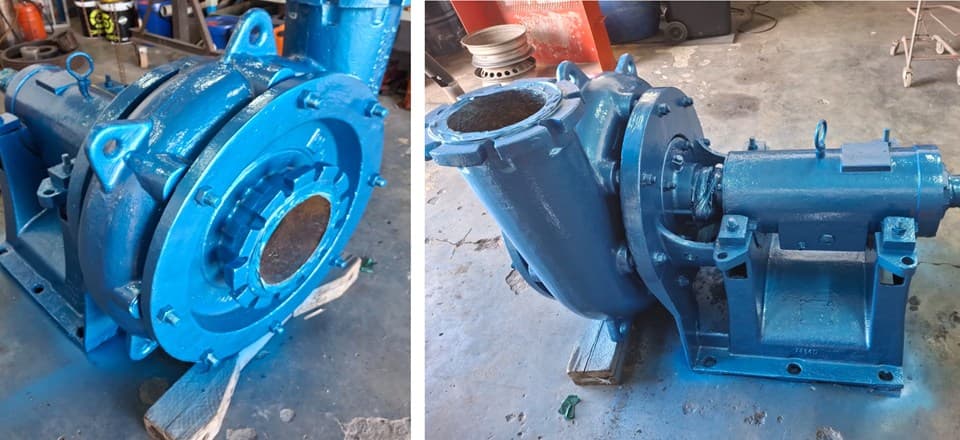
Aquaculture & abalone farming
Aqunion abalone-farm pump servicing
Inspection and service work for pump equipment in a water-dependent aquaculture operation.
View case study →Frequently asked questions
What equipment does CES maintain and repair?
Current CES service areas include pumps, diesel machinery, generators, fleet-related equipment and operating machinery. Suitability depends on the equipment, fault, site conditions and available technical information, so an initial discussion or inspection is normally used to define the work.
Does CES provide both fault repair and preventative maintenance?
Yes. CES can investigate active faults and also discuss inspections, servicing and preventative maintenance for equipment that needs planned attention. The maintenance interval and work scope should be based on the equipment, duty, condition and operating environment.
Can CES inspect a pump before deciding whether repair is worthwhile?
Yes. Inspection and diagnosis can establish the visible condition, likely fault and extent of further assessment required. Where disassembly is appropriate, CES can assess applicable components before recommending service, repair, replacement or another course of action.
Can maintenance support be planned rather than purely reactive?
Yes. CES can help identify equipment priorities and organise inspections or servicing around operating requirements. Planned support is especially useful where pumps, generators or machinery are important to continuity and where maintenance work must be coordinated with production or site access.